
Fight Inflammation with Turmeric & Curcumin
by Haley Scellick, ARNP
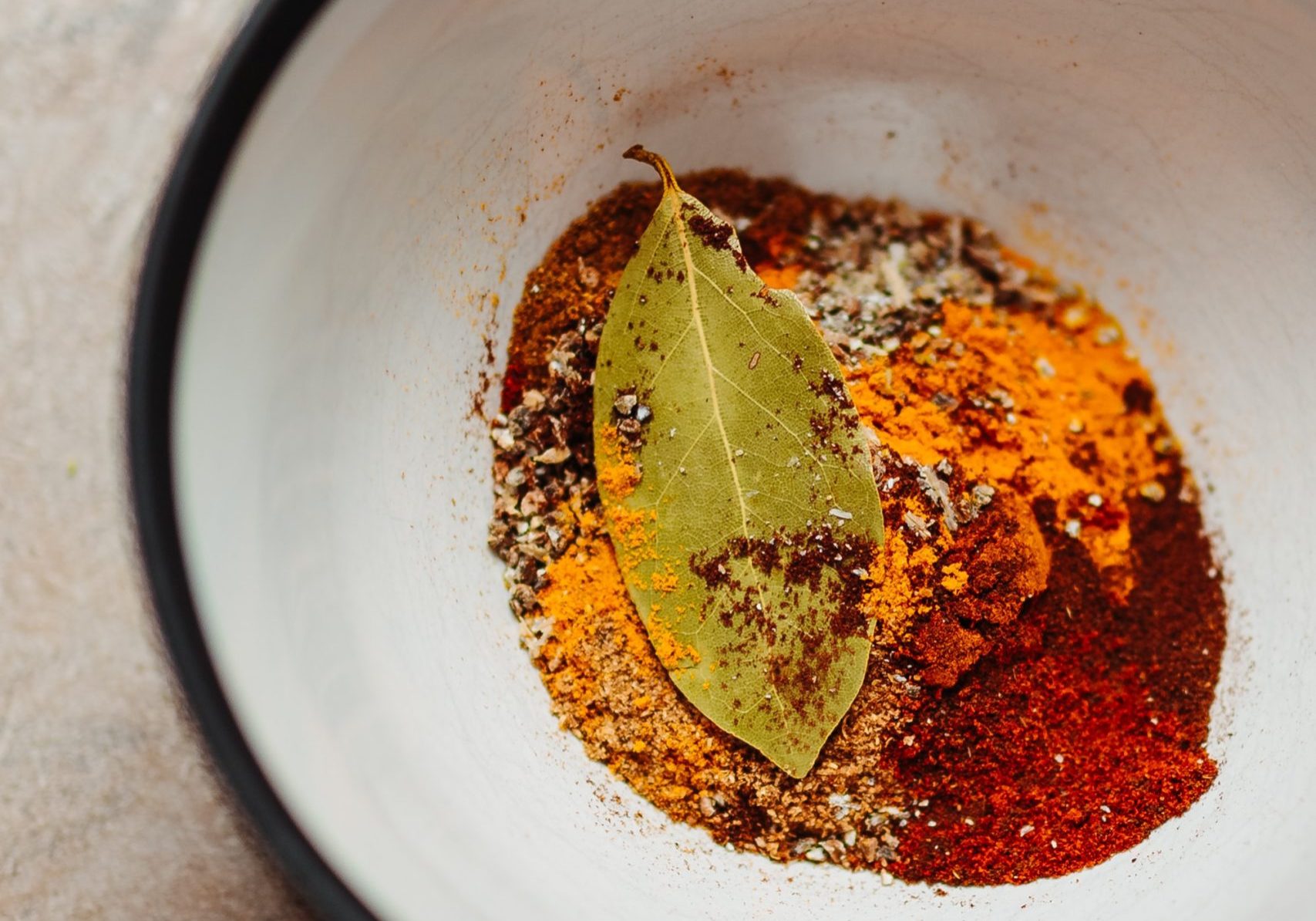
Turmeric is a flowering plant, Curcuma longa of the ginger family and has a long history of its anti-inflammatory and antioxidant effects. It is native to India and has been a longstanding staple of Indian cooking. The turmeric root has a 5000-year history of medicinal use as well. Turmeric is the spice that gives curry its yellow color.
Turmeric regulates the biochemical inflammatory responses and associated symptoms in conditions such as:
- Osteoarthritis
- Uveitis (degenerative eye disorder)
- Diabetes
- Atherosclerosis
- Inflammatory bowel disease
- Cancer
The most pharmacologically active group in the turmeric root are polyphenolic curcuminoids which include curcumin and many others.
Curcumin has many uses for its anti-inflammatory and antioxidant effects with thousands of studies to supports its vast benefits. It is also beneficial for lowering cholesterol absorption and increasing cholesterol conversion to bile acids.
Curcumin affects immune activity by limiting the cytotoxins, contributing to its anti-inflammatory effects and blocking free radicals (antioxidant). Research is showing that curcumin can boost brain-derived neurotrophic factor (BDNF). BDNF is a protein found in the brain responsible for promoting the life of neurons and plays a role in memory and learning. Many common brain disorders have been linked to decreased levels of BDNF protein, including depression and Alzheimer’s disease.
Turmeric is generally recognized as safe with very little adverse side effects, although caution is generally advised with concurrent use of whole herb turmeric and other herbal supplements (depending on the form of turmeric).
There have been many well-established safety studies done, although some negative side effects have been reported, including hypersensitivity to turmeric itself, diarrhea, headache, rash and yellow stool, typically at very high doses.
There are many forms of turmeric.
- Powder is traditionally used in Indian cooking and eating daily is associated with slightly lower risk of chronic diseases with a mild/moderate effect.
- The bioavailable forms of turmeric are best for chronic illnesses and more potent to accentuate the beneficial effects.
- There is turmeric combined with bioperine (black pepper extract), which improves absorption and is best for GI inflammation.
- Meriva is a form which increases absorption and bioavailability. This form is helpful when on other medications are used and this form avoids drug interactions.
Additionally, not all commercial forms of turmeric are pure, some have cheaper and potentially toxic ingredients not listed on the label. Fillers are often used in turmeric such as cassava starch or barley, wheat or rye flour. Since the FDA does not monitor supplements in the United States, it is best to obtain a medical grade curcumin with a third party backing.
Curcumin is fat soluble, meaning that it breaks down and dissolves in fat or oil. It is best absorbed with a meal that has some fat.
Curcumin may also help in the management of exercise-induced inflammation and muscle soreness, enhancing recovery and subsequent performance in active people or athletes. Curcumin has many scientifically proven health benefits and it would be important to discuss with your healthcare provider if this supplement is right for you.
Resources
University of Arizona. Andrew Weil Center for Integrative Medicine.
Curcumin: A Review of Its’ Effects on Human Health. National Institutes of Health. www.ncbi.nlm.nih.gov