
Skin Damage from Sun Exposure
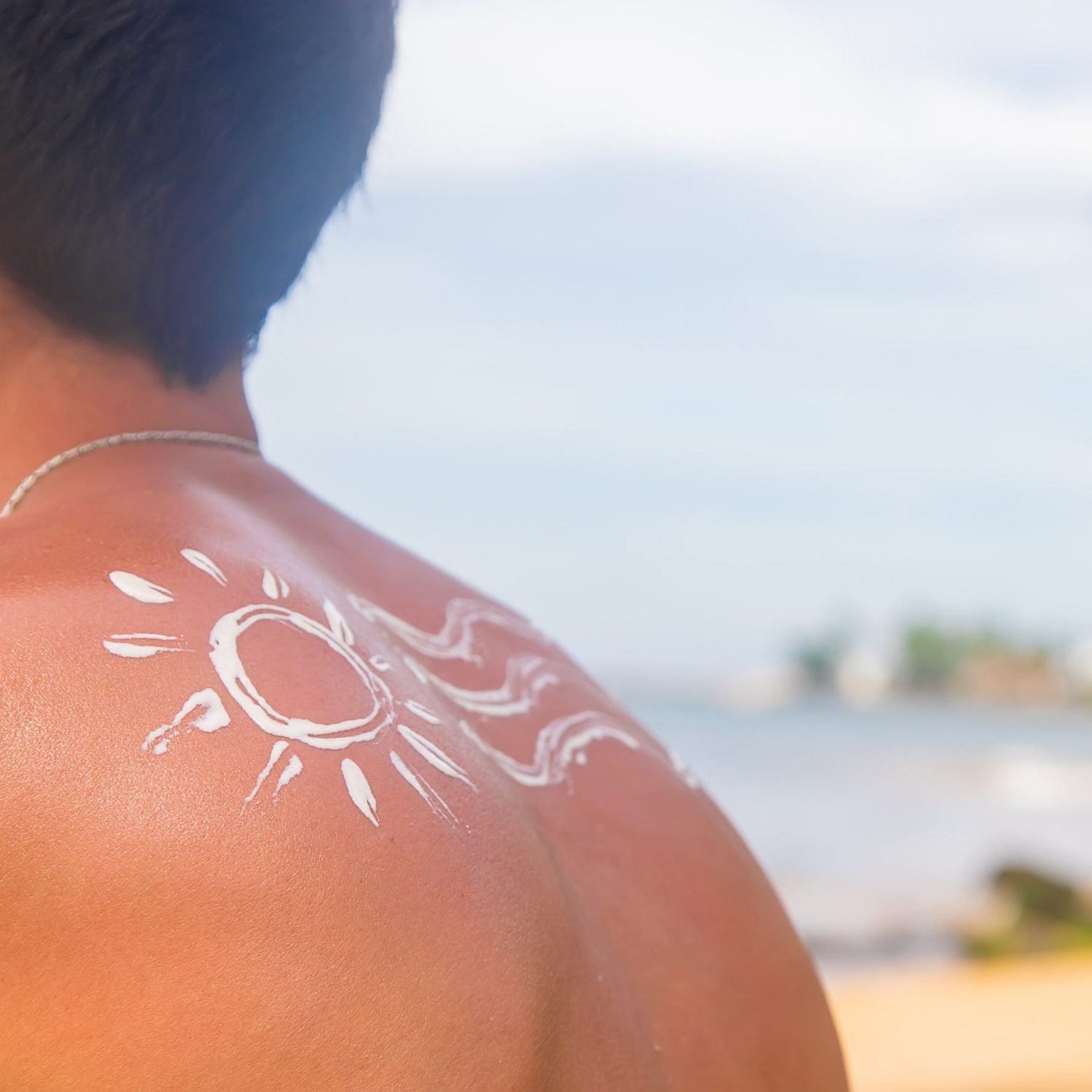
Sunshine has its benefits, providing us with warmth, light, and even vitamin D. However, excessive exposure to the sun's ultraviolet (UV) rays can cause significant harm to our skin.
Understanding the potential damage from sun exposure and the importance of protecting your skin can help you maintain a healthy, youthful appearance and reduce the risk of serious health issues.
Members at Empowered Health have access to our Mole Mapping service. This is an annual check of your skin to look for changes over time. It is performed in clinic and also reviewed by a dermatologist.
What is Skin Damage from Sun Exposure?
Sun exposure leads to skin damage primarily through UV radiation, which penetrates the skin and disrupts its cells. UV radiation is classified into two main types: UVA and UVB rays.
- UVA Rays: These rays penetrate deep into the dermis, the thickest layer of the skin. UVA rays are primarily responsible for causing premature aging, such as wrinkles and age spots, and can contribute to the development of skin cancer.
- UVB Rays: These rays are shorter and affect the outer layer of the skin, causing sunburns. UVB rays play a key role in the development of skin cancer.
Types of Skin Damage from Sun Exposure
- Sunburn: One of the most immediate and visible effects of UV radiation is sunburn. This painful condition occurs when the skin becomes red, swollen, and sometimes blistered due to overexposure to UVB rays.
- Premature Aging: Known as photoaging, this type of damage includes wrinkles, fine lines, and age spots. UVA rays break down collagen and elastin fibers in the skin, leading to sagging and a loss of firmness.
- Hyperpigmentation: Prolonged sun exposure can cause areas of the skin to produce excess melanin, leading to dark spots or patches known as hyperpigmentation.
- Skin Cancer: The most serious consequence of sun damage is skin cancer. This includes melanoma, the deadliest form, as well as basal cell carcinoma and squamous cell carcinoma. UV radiation damages the DNA in skin cells, leading to mutations and cancerous growths.
Why Protecting Your Skin is Important
- Prevents Sunburn and Discomfort: Sunburn is not only painful but also damaging to the skin. Protecting your skin helps you avoid the immediate discomfort and long-term damage associated with sunburns.
- Reduces Risk of Skin Cancer: Skin cancer is a prevalent and potentially life-threatening condition. Consistent use of sun protection can significantly reduce your risk of developing skin cancer. Regular skin checks and avoiding tanning beds also contribute to prevention.
- Slows Down Premature Aging: By protecting your skin from UV radiation, you can slow down the aging process, maintaining a youthful and vibrant appearance. Sunscreen, protective clothing, and seeking shade are essential in preserving your skin's elasticity and preventing wrinkles.
- Prevents Hyperpigmentation: Consistent sun protection helps maintain an even skin tone and prevents dark spots from forming. This can contribute to a clearer and more radiant complexion.
- Maintains Skin Health and Functionality: Healthy skin acts as a barrier against infections, dehydration, and harmful substances. Protecting your skin ensures it remains strong, resilient, and able to perform its vital functions.
Tips for Protecting Your Skin from Sun Damage
- Use Broad-Spectrum Sunscreen: Apply a broad-spectrum sunscreen with at least SPF 30 daily, even on cloudy days. Broad-spectrum sunscreens protect against both UVA and UVB rays. Reapply every two hours and after swimming or sweating.
- Wear Protective Clothing: Opt for long-sleeved shirts, wide-brimmed hats, and sunglasses to shield your skin from direct sunlight. Specialized clothing with built-in UV protection is also available.
- Seek Shade: Whenever possible, stay in the shade, especially during peak sun hours from 10 a.m. to 4 p.m. This reduces your exposure to the most intense UV radiation.
-
- Avoid Tanning Beds: Tanning beds emit UVA and UVB rays, increasing the risk of skin cancer and accelerating skin aging. Embrace your natural skin tone and use self-tanning products if you desire a tan.
-
- Be Mindful of Reflective Surfaces: Water, sand, snow, and concrete can reflect UV rays, increasing your exposure. Take extra precautions when near these surfaces by using additional sun protection.
-
- Stay Hydrated: Drink plenty of water to keep your skin hydrated. Well-hydrated skin is more resilient to sun damage.
Protecting your skin from sun exposure is a crucial aspect of overall health and well-being. By understanding the risks and taking proactive measures, you can enjoy the benefits of the sun while minimizing its harmful effects. Make sun protection a daily habit and invest in your skin's long-term health and beauty.
Learn more at the American Academy of Dermatology Association.

Leah Prost,MBA
Why Empowered Health.
Time between patient and physician is dictated increasingly by the health system and insurance reimbursement. At Empowered Health, we take a membership approach to primary care in Tri-Cities that challenges the standard healthcare model.

Five Most Important Areas of Men's Health
Subscribe to our series, "Optimizing Men's Health" for information on the top five areas men need to pay attention to TODAY to promote and improve their longevity.