
Loving Your Heart – Especially as a Woman

Women’s Heart Health, Prevention, and the Power of Early Awareness
February is often associated with hearts, love notes, and Valentine’s Day. But from a medical perspective, it’s also one of the most important times of year to talk about something far more consequential: women’s heart health.
Heart disease remains the leading cause of death for women in the United States, yet it is still under-recognized, under-discussed, and often misunderstood. Let’s change that narrative by focusing on awareness, prevention, and self-investment.
As a physician, I often hear women say, “I thought heart disease was more of a men’s issue,” or “My cholesterol is fine, so I wasn’t worried.” Unfortunately, heart health is far more complex, and far more personal, than a single number.
The Reality of Women & Heart Disease
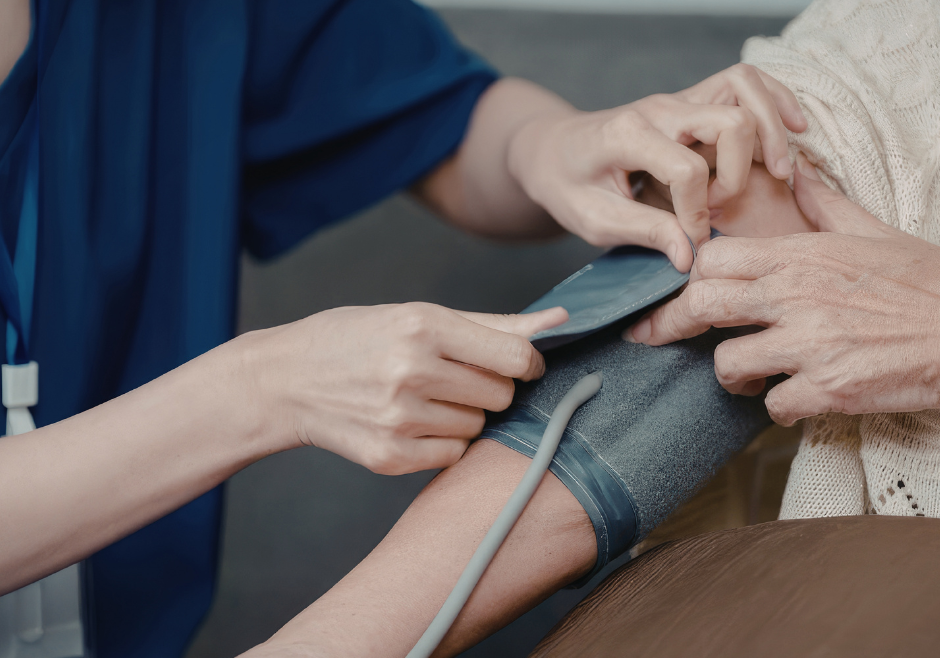
Here are a few facts that surprise many of my patients:
-
Nearly 1 in 3 women dies from cardiovascular disease.
-
Women are more likely to experience atypical symptoms, such as fatigue, nausea, shortness of breath, jaw pain, or sleep disturbance.
-
Women are more likely to be misdiagnosed or diagnosed later than men.
Medical term explained: Cardiovascular disease refers to conditions affecting the heart and blood vessels, including coronary artery disease, heart attack, and stroke.
These differences mean that women require earlier, more nuanced prevention strategies, not delayed reassurance.
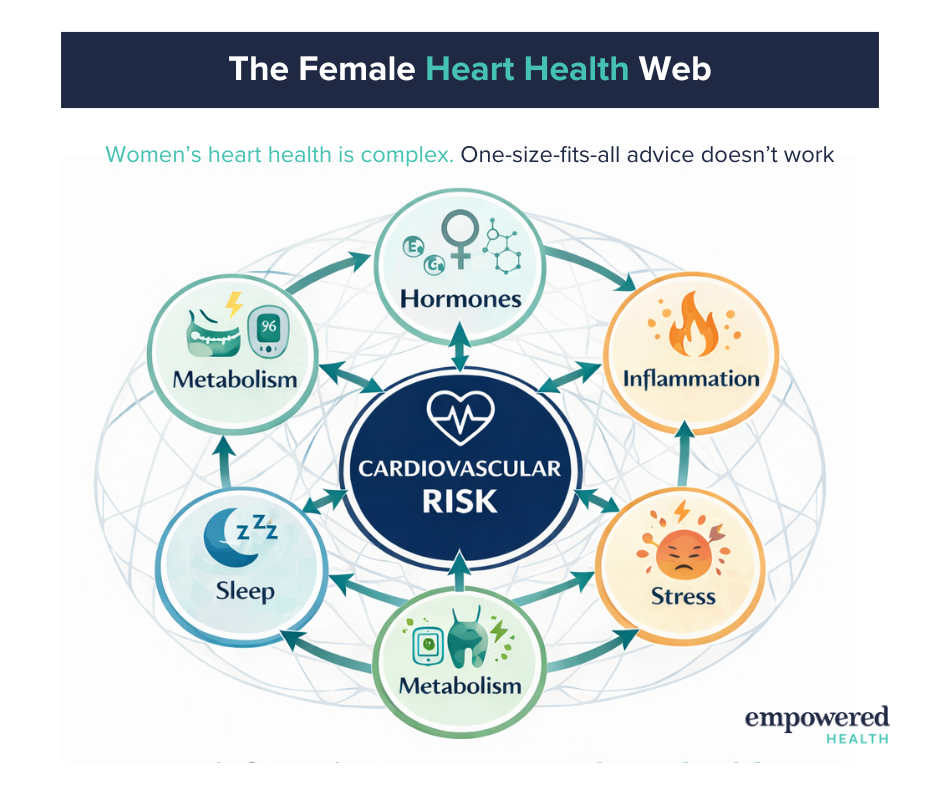
Beyond Cholesterol: What Really Drives Heart Risk
Cholesterol matters, but it is only one piece of the cardiovascular puzzle. Modern preventive cardiology looks at a broader set of factors, including:
-
Inflammation: Chronic, low-grade inflammation damages blood vessels over time.
-
Insulin resistance: When cells don’t respond well to insulin, blood sugar rises and accelerates vascular damage.
-
Hormonal shifts: Estrogen plays a protective role in blood vessels. Risk increases during perimenopause and menopause.
-
Stress & nervous system regulation: Chronic stress keeps the body in a constant “fight-or-flight” state, raising blood pressure and inflammation.
Large studies show that cardiovascular risk accelerates for women in their 40s and 50s, particularly during hormonal transitions. This is why waiting for symptoms, or waiting until menopause is “over”, misses a critical prevention window.
Early intervention during this phase can dramatically reduce long-term risk.
Wear Red Day & Valentine’s Day: Reframing Love
National Wear Red Day reminds us that awareness saves lives. Valentine’s Day reminds us that love is often outward-focused.
This year, consider reframing both as reminders that caring for your heart is an act of self-respect.
Heart Health Risk Reflection
Ask yourself:
-
Do I feel chronically stressed or depleted?
-
Do I avoid strength training?
-
Do I assume “normal labs” mean low risk?
These patterns don’t predict the future, but they highlight where prevention could begin.
Your heart carries you through every season of life. Investing in its health, especially during midlife, can change your long-term trajectory.
If you’re ready to understand your personal risk factors and build a prevention plan that fits your life: Schedule an inquiry call to learn more.
Loving your heart isn’t a one-day event. It’s a lifelong practice.

Jessica Schneider, MD
Why Empowered Health.
Time between patient and physician is dictated increasingly by the health system and insurance reimbursement. At Empowered Health, we take a membership approach to primary care in Tri-Cities that challenges the standard healthcare model.

Five Most Important Areas of Men's Health
Subscribe to our series, "Optimizing Men's Health" for information on the top five areas men need to pay attention to TODAY to promote and improve their longevity.