
Blood Sugar, Mental Resilience & Veterans’ Health: The Hidden Biology Behind Your Energy and Emotions

This week, we’re spotlighting two important themes: World Diabetes Day and Veterans Day. Though they may seem unrelated at first glance, both intersect at the crossroads of something we talk about every day in our practice here in Richland, Pasco, and Kennewick: resilience.
Whether you’re navigating military service, stress-filled work weeks, parenting, or a chronic condition, mental clarity, energy, and emotional steadiness are built on a biological foundation. And one of the most important foundations? Blood sugar regulation.
What Does Blood Sugar Have to Do with Mental Health?
You’ve likely heard of blood sugar in the context of diabetes, and yes, it’s crucial there. But what many people in Eastern Washington don’t realize is that blood sugar affects nearly every system in the body, even when you don’t have diabetes.
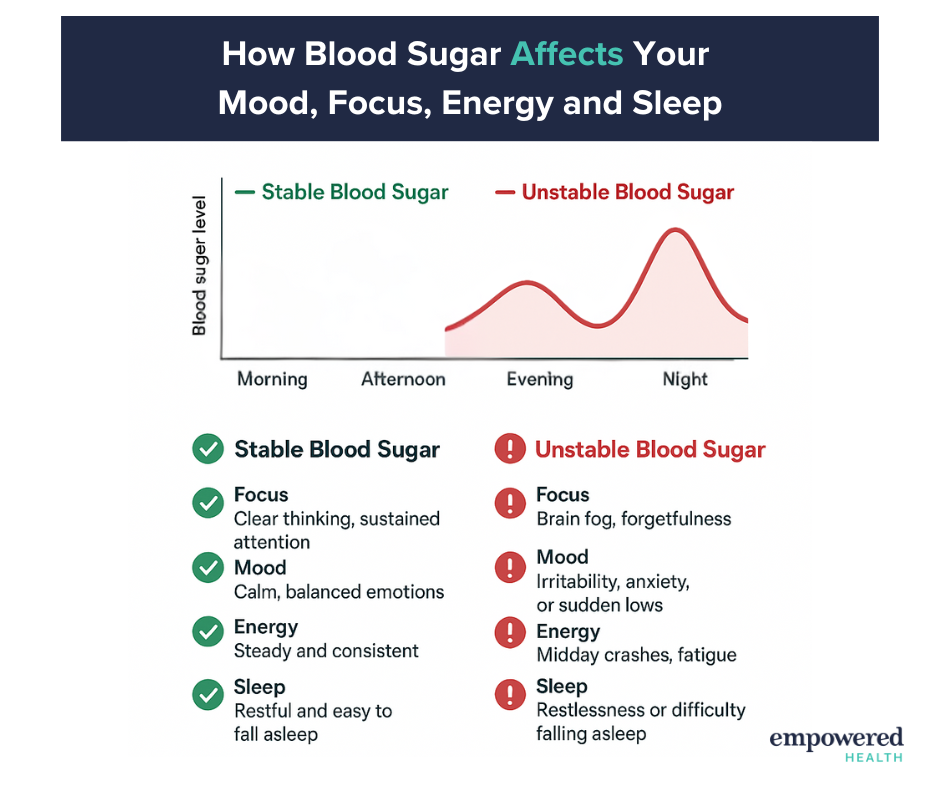
When blood sugar spikes and crashes repeatedly throughout the day, it creates:
- Inflammation in the brain
- Mood instability
- Fatigue
- Increased anxiety or irritability
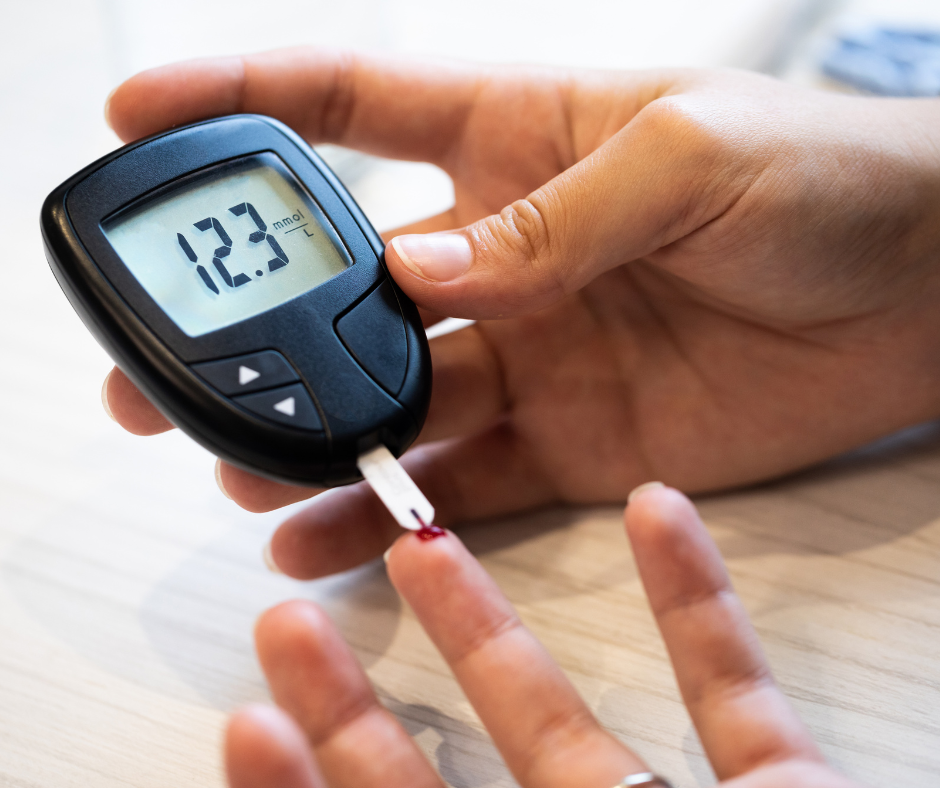

Medical Insight: Chronic glucose variability (rollercoaster blood sugar) is linked with higher cortisol outputyour stress hormone. Over time, this can dysregulate your HPA axis (the stress-response system) and reduce your resilience to even minor stressors.
In veterans, this can magnify symptoms of PTSD, depression, and burnout. In parents or professionals, it shows up as emotional reactivity, forgetfulness, or poor sleep.
Quick Quiz: Are You Experiencing Blood Sugar Instability?
Answer Yes or No:
- I often feel tired or foggy an hour or two after meals.
- I crave sugar or carbs late in the afternoon.
- I experience mood swings or sudden irritability.
- I wake up between 2:00–4:00am and struggle to fall back asleep.
- I feel shaky or lightheaded if I skip meals.
Interpretation:
- 0–1 Yes: Great news, your glucose regulation seems stable. Keep up the good habits!
- 2–3 Yes: Your body may be riding the blood sugar rollercoaster. Consider testing your fasting insulin and A1C.
- 4–5 Yes: You are likely experiencing significant blood sugar instability and should evaluate your labs and nutrition plan.
Expert Opinion: Why Labs Matter
At Empowered Health, we don’t guess, we test.
- Fasting insulin
- Hemoglobin A1C (3-month glucose average)
- Glucose levels
- hs-CRP (inflammation marker)
- Cortisol and DHEA (stress and adrenal markers)
Research Bite: A 2021 study in Diabetes Care showed that elevated insulin, even in the absence of diabetes, is correlated with cognitive decline and reduced hippocampal volume (the part of your brain responsible for memory).
Blood Sugar’s Impact on Mental Health
Regional Tips: Eating for Stability in Tri-Cities
We always tell patients: Don’t just remove sugar, add stability. Here’s how to do it locally:
- Richland: Stop by The Bradley for a balanced breakfast of eggs and greens before work.
- Pasco: Visit Pasco Farmers Market for seasonal root vegetables that provide steady energy.
- Kennewick: Shop at Red Mountain Kitchen for protein-packed meal prep kits.
- Local Movement: Take a 10-minute walk after lunch along the Columbia River Trail to help lower post-meal glucose levels naturally.
Fun Fact: A post-meal walk can lower blood sugar by up to 22% in the following 2 hours!
Functional Tips You Can Start Today
- Eat protein first at meals (eggs, chicken, tofu, etc.)
- Avoid naked carbs, pair fruit with protein or fat
- Walk after lunch or dinner
- Prioritize 7–8 hours of sleep
- Reduce added sugars (check labels at grocery stores!)
Calculator: Blood Sugar Risk Index
Answer the following to estimate your risk (1 point per Yes):
- Do you have a waist measurement over 35" (women) or 40" (men)?
- Do you experience energy crashes during the day?
- Have you been told you have pre-diabetes, insulin resistance, or metabolic syndrome?
- Do you skip meals and then binge later?
- Do you drink sugary coffee, soda, or energy drinks regularly?
Results:
- 0–1 Points: Low risk, keep up healthy routines.
- 2–3 Points: Moderate risk, consider testing insulin, glucose, and A1C soon.
- 4–5 Points: High risk, it’s time for a full lab work-up and metabolic reset plan.
It’s Not Just Willpower - It’s Biology
If you’re struggling with energy, mood, or sleep, it might not be “in your head.” It might be in your glucose response.
At Empowered Health, our lab-driven precision medicine approach uncovers root causes and builds custom solutions.
If you’re in Richland, Pasco, Kennewick, or anywhere in Eastern Washington, schedule an inquiry call with our team.
This World Diabetes Day, give your brain and body the gift of stability.

Jessica Schneider, MD
Why Empowered Health.
Time between patient and physician is dictated increasingly by the health system and insurance reimbursement. At Empowered Health, we take a membership approach to primary care in Tri-Cities that challenges the standard healthcare model.

Five Most Important Areas of Men's Health
Subscribe to our series, "Optimizing Men's Health" for information on the top five areas men need to pay attention to TODAY to promote and improve their longevity.