
Brain Fog, Blood Sugar & Inflammation: What Your Body Is Trying to Tell You (And Why It Matters Now)

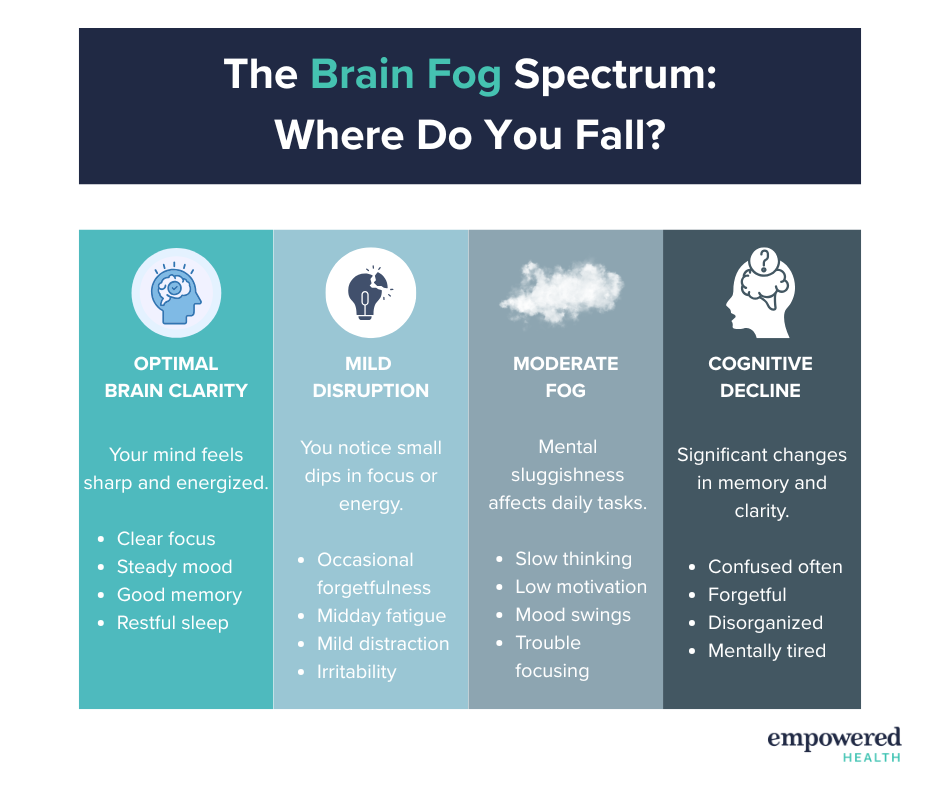
As a physician practicing in Eastern Washington, I’ve seen a growing number of patients from Richland, Pasco, and Kennewick coming in with the same concern: they just don’t feel like themselves. They’re forgetting words, feeling fatigued, struggling to focus, or snapping at loved ones more than they’d like. These aren't just signs of stress they can be early warning signs of something deeper: inflammation-driven cognitive decline.
In honor of Alzheimer’s Awareness Month, let’s dig deeper into why protecting your brain now, not later, is one of the smartest decisions you can make.
What Is Cognitive Inflammation?

Cognitive inflammation is chronic low-grade inflammation in the brain. This process doesn’t cause immediate damage like a traumatic injury would, but over time it can disrupt your memory, mental clarity, mood, and even lead to degenerative conditions like Alzheimer’s disease.
Fun Fact: Inflammation in the brain doesn’t hurt, the brain doesn’t have pain receptors like your skin or muscles. So symptoms often show up as mood swings, forgetfulness, or "brain fog," not headaches.
In our clinic at Empowered Health, we run advanced lab panels that go beyond what most standard practices offer. We test for biomarkers like:
- CRP (C-reactive protein): A systemic inflammation marker
- Homocysteine: Elevated levels increase risk for cognitive decline
- Insulin & Fasting Glucose: Glucose dysregulation directly affects memory
- Omega-3 Index: Deficiency can reduce brain cell fluidity and communication
Mini Quiz: Are You Showing Signs of Early Cognitive Imbalance?
Answer Yes or No:
- I struggle to find the right word in conversations.
- I often feel mentally tired or foggy by midday.
- I’ve been more forgetful with names or daily tasks lately.
- I’ve had recent mood swings or feel unusually irritable.
- I rely more on sticky notes, alarms, or lists than I used to.
Interpretation:
- 0–1 Yes answers: You’re likely in the clear, but prevention still matters.
- 2–3 Yes answers: You may be experiencing mild cognitive disruption, worth exploring your lab markers.
- 4–5 Yes answers: You may be showing signs of more significant imbalance. It’s a good time to evaluate your health habits, stress levels, sleep quality, and nutrition patterns.
What Causes This Shift? (And Why Now?)

Blood Sugar & the Brain
One of the most overlooked causes of brain fog is unstable blood sugar. Even in non-diabetic patients, insulin resistance (when your cells stop responding properly to insulin) can impair memory, mood, and focus.
Research Bite: A 2020 study from Neurology found that even mild glucose elevation is associated with memory loss in middle-aged adults, regardless of diabetes status.
If you’ve been skipping meals, grabbing quick carbs from local bakeries in Pasco, or downing energy drinks during your commute across Kennewick, your glucose might be spiking and crashing, dragging your brain down with it.
Inflammation: The Silent Agitator
Chronic inflammation is often caused by:
- Poor diet (think processed food from gas station snacks or drive-thru options)
- Lack of movement (especially in winter months)
- Poor sleep
- Stress? yes, even the kind that comes from packed schedules or caregiving
We recommend simple but powerful ways to reduce inflammation in your daily life:
- Walk daily, Columbia Park trails in Kennewick or the Riverfront Trail in Richland are local gems.
- Replace inflammatory oils (canola, soybean) with olive oil or avocado oil.
- Support your gut with fermented foods from local vendors at the Pasco Farmers Market.
The Empowered Approach: Precision + Prevention
We believe that the earlier we detect dysfunction, the more we can do to prevent disease. That’s why we take a comprehensive approach to mapping your internal health across multiple systems, not just your cholesterol and A1C.
What We Test:
- Brain-related markers (inflammation, homocysteine, omega-3s)
- Metabolic markers (insulin, glucose, A1C)
- Nutrient deficiencies (B vitamins, D3, iron, and more)
- Hormonal fluctuations (especially for women in their 40s–60s)
Patient Story:
“I came in for fatigue. I left with answers.” – Angela, 52, Kennewick
Angela came to us feeling forgetful and frustrated. Her standard labs were normal. But our advanced panel revealed elevated homocysteine, borderline insulin resistance, and low Omega-3. Within three months of intervention, her brain fog lifted, her energy improved, and she felt like herself again.
Don’t Guess, Test
If you're in Richland, Pasco, Kennewick, or anywhere in Eastern Washington, we invite you to take the next step.
Schedule an Inquiry Call to see if is right for you.
Because your brain deserves more than a wait-and-see approach.

Empowered Health Institute
Why Empowered Health.
Time between patient and physician is dictated increasingly by the health system and insurance reimbursement. At Empowered Health, we take a membership approach to primary care in Tri-Cities that challenges the standard healthcare model.

Five Most Important Areas of Men's Health
Subscribe to our series, "Optimizing Men's Health" for information on the top five areas men need to pay attention to TODAY to promote and improve their longevity.