
Burnout, Brain Fog, and the Hormone Connection: How Mentorship Medicine Can Help You Reset

If you’ve found yourself saying things like:
- “I’m exhausted even after 8 hours of sleep.”
- “I can’t remember words I use all the time.”
- “I’m doing everything right… but I still feel off.”
You’re not alone—and you’re not broken. At Empowered Health, we see this daily in women across Richland, Pasco, and Kennewick who are experiencing midlife shifts in cortisol and hormone regulation—and don’t even know it.
This week’s focus: the link between stress hormones and brain fog, the signs your body may be out of sync, and how mentorship-based care can help you reset.
Let’s Talk Cortisol: Your 24-Hour Hormone
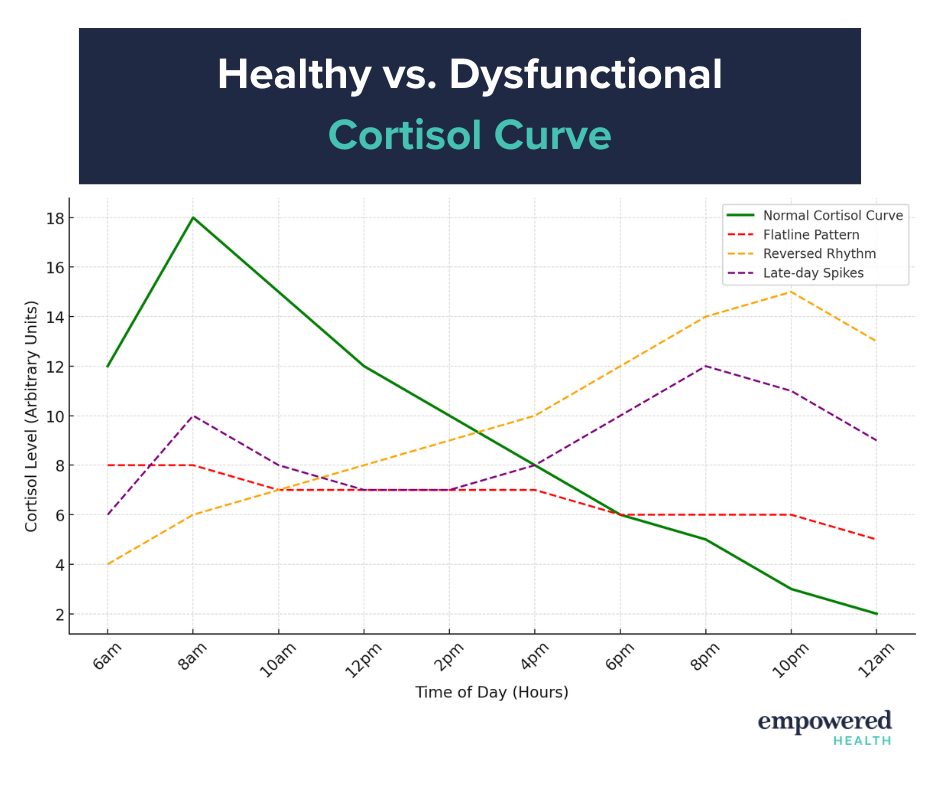
Cortisol is your body’s main stress hormone, released by your adrenal glands. In a healthy rhythm, cortisol:
- Peaks in the morning to give you energy and alertness
- Gently tapers throughout the day
- Is lowest at night, when melatonin (your sleep hormone) rises
When you’re under chronic stress—or your system is inflamed or depleted—this rhythm can flatten or flip.
Signs of cortisol dysfunction include:
- Tired in the morning, wired at night
- Brain fog, poor focus
- Sugar cravings or increased belly fat
- Anxiety or irritability
- Waking up between 2–4am
“Cortisol isn’t bad. It’s out-of-sync cortisol that steals your clarity.” – Dr. Schneider
Quiz: Could Your Cortisol Be Disrupting Your Brain?
Answer yes or no:
- I rely on caffeine to feel alert in the morning
- I feel wired or anxious late at night
- I experience energy crashes after meals
- I’ve gained belly fat despite clean eating
- I wake in the night and have trouble falling back asleep
- I feel emotionally reactive or overly sensitive
Results:
- 0–1 Yes: Great job! Your stress response is likely resilient.
- 2–4 Yes: You may be entering a dysregulated phase. Consider cortisol testing.
- 5–6 Yes: You’re showing signs of significant imbalance. Clinical intervention is likely warranted.
Why Brain Fog Isn’t Just “Getting Older”
Many women describe a frustrating mental fog that hits in their 40s and 50s—often accompanied by poor memory, slow word retrieval, and difficulty multitasking.
This isn’t just aging—it’s often related to:
- Estrogen decline, which affects brain cell communication
- Cortisol imbalance, which impacts hippocampus function (your brain’s memory center)
- Nutrient depletion, especially B vitamins and magnesium
Patient Story: Regaining Her Focus
Amanda, a 49-year-old CPA from Richland, was convinced she had early dementia.
“I was terrified. I couldn’t remember client names, struggled to stay sharp in meetings, and felt emotionally numb.”
At Empowered Health, we ran a full hormone and cortisol panel. Her cortisol was spiking at night, and her estrogen was in sharp decline. Within 8 weeks of starting HRT, adrenal adaptogens, and mentorship-based lifestyle coaching, Amanda reports:
- 90% improvement in mental clarity
- Solid, uninterrupted sleep
- “Feeling like myself again”
What Is Mentorship-Based Medicine?

At Empowered Health, mentorship means:
- Longer visits with expert providers
- Education on why your body feels the way it does
- Accountability, coaching, and follow-up
Because hormones don’t shift in isolation—and healing doesn’t happen overnight.
“Our wellness program gives you not just a plan—but a partner in the process.” – Dr. Monié
Nutrition That Supports Hormones
Here are 3 foods to integrate this week:
Cruciferous Vegetables – Support estrogen metabolism via DIM and glucosinolates. Try broccoli, cauliflower, or arugula.
Flaxseeds – Contain lignans that gently balance estrogen levels and support the microbiome.
Pasture-Raised Eggs – Rich in choline, B12, and essential fats that help produce and regulate hormones.
Where to shop locally: Pick up these ingredients at Kennewick Natural Grocers, Yoke’s Fresh Market in Richland, or the Pasco Farmers Market.
Fun Fact: Exercise Flattens the Cortisol Curve (in a Good Way!)
Regular movement—especially walking, yoga, or strength training—helps re-regulate your HPA axis (the part of your brain that controls cortisol). Even a 20-minute walk at Howard Amon Park or a hike at Badger Mountain can lower stress hormones for up to 24 hours.
Call to Action: Reset Your Rhythm
If you’re tired of feeling off—and ready to understand what’s actually happening in your body—start with our free community presentation: “Stress, Hormones & Health.”
You’ll learn how to:
- Decode your symptoms
- Understand your labs
- Take actionable steps to restore energy, clarity, and balance
Serving Richland, Kennewick, Pasco, and greater Eastern Washington.
DM us "WELLNESS" or call the clinic to save your seat.
Empowered Health: Real medicine, real mentorship, real results.

Jessica Schneider, MD
Why Empowered Health.
Time between patient and physician is dictated increasingly by the health system and insurance reimbursement. At Empowered Health, we take a membership approach to primary care in Tri-Cities that challenges the standard healthcare model.

Five Most Important Areas of Men's Health
Subscribe to our series, "Optimizing Men's Health" for information on the top five areas men need to pay attention to TODAY to promote and improve their longevity.