
Healthy Living
Functional vs. Traditional Medicine

What is Functional Medicine?
Functional medicine is a branch of holistic or integrative medicine that looks for the root cause of chronic disease or conditions. It focuses on functional systems-based rather than organ-based and is concerned with conditions versus diseases.
The functional laboratory testing often looks deeper than the routine tests, even to the cellular level. Functional medicine uses a smaller functional range within the larger/standard reference range that targets optimal function. Health and health problems exist on a spectrum.
Functional medicine runs more comprehensive labs that looking at underlying components that could be driving symptoms. The holistic aspect looks at the whole person; body, mind and spirit and how imbalances in one effect the whole. There is a large emphasis on nutrition and overall healthy lifestyles. Integrative medicine neither rejects conventional medicine nor accepts alternative therapies uncritically. There is a large focus on the gut microbiome being the central player in the genesis of diseases.
Functional medicine can also be characterized by the four Ps: personalized, proactive, predictive, and preventative. In other words, it is a treatment system personalized to your symptoms and root causes, genetics, environment and lab findings.
The patient needs to be proactively involved in their own healing process, with the provider being more like a coach to guide, and oversee the process, but the work must be done by the patient. Alongside the concept of treatment, the broader concepts of health promotion and the prevention of illness are paramount.
Conventional Medicine
Conventional medicine is the treatment of human disease using drugs or surgery. Examples would include everything from surgery to prescribing statins for high cholesterol. The focus on surgical techniques and the use of prescription medicine makes up the bulk of what makes up conventional medicine. There are guidelines across the disease processes that is generally followed. Conventional medicine often treats the symptoms that the patient is having with a portion of lifestyle management.
Incorporating both into practice
Finding a provider who can incorporate both functional medicine and conventional medicine into practice is getting the best of both worlds. At Empowered Health, we focus on all the above-mentioned functional medicine techniques while reserving conventional medicine (prescription aspect) when needed.
The focus is geared at lifestyle and mind body medicine and considering the patient individually and holistically. We develop health action plans for each individual patient that support the whole patient. We often combine conventional medicine guidelines as a foundation and blend evidence based functional medicine practices too. Appropriate use of both conventional and alternative methods facilitates the body’s innate healing response.
References
Mitochondrial Dysfunction-A Functional Medicine Approach to Diagnosis and Treatment by Michael Chang, MD
Functional Medicine vs. Conventional Medicine. Kalishinstitute.com
Defining Principles of Integrative Medicine. The University of Arizona. Andrew Weil Center for Integrative Medicine
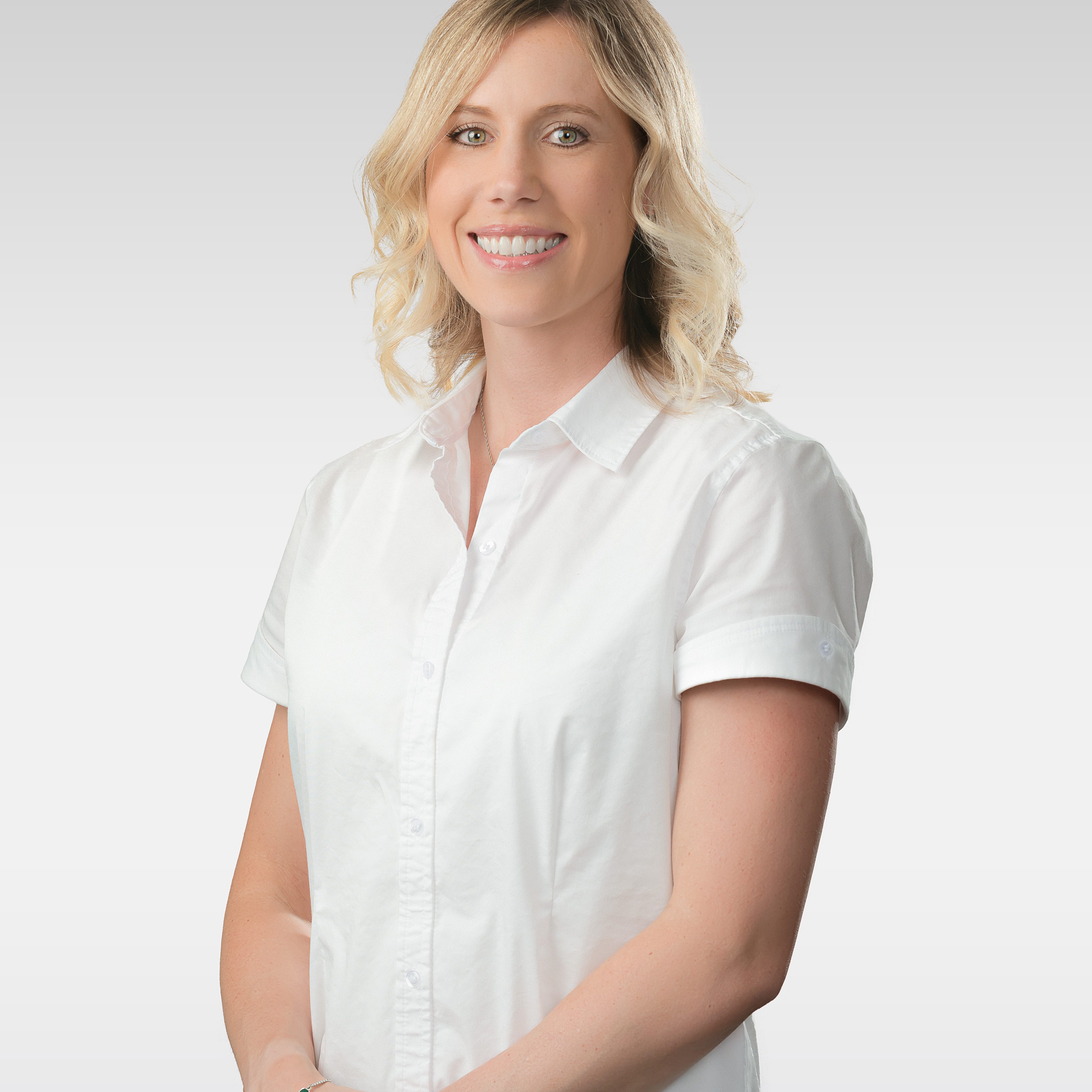
Haley Scellick, ARNP
Why Empowered Health.
Time between patient and physician is dictated increasingly by the health system and insurance reimbursement. At Empowered Health, we take a membership approach to primary care in Tri-Cities that challenges the standard healthcare model.

Five Most Important Areas of Men's Health
Subscribe to our series, "Optimizing Men's Health" for information on the top five areas men need to pay attention to TODAY to promote and improve their longevity.