
Hormones, Exercise, and Mental Health—How Movement Supports Your Mood

As physicians at Empowered Health, we’re often asked how to naturally improve energy, reduce anxiety, and support hormonal balance. Our answer often includes one word: movement. This week, we’re diving into the connection between exercise, hormone regulation, and mental well-being, and how you can leverage activity to feel better—mentally and physically.
Living in the Tri-Cities gives us a unique advantage: longer spring days, access to walking trails, and local yoga studios that make staying active more enjoyable. Whether you're in Richland, Kennewick, or Pasco, you’re never far from a way to move your body.
How Movement Influences Hormones

1. Endorphins: Your Natural Mood Boosters
When you exercise, your brain releases endorphins—neurotransmitters often referred to as “feel-good chemicals.” These natural mood elevators help reduce pain perception and trigger positive feelings, similar to those caused by morphine.
Even light activity, like walking or yoga, can initiate this response. This is why so many of our patients report feeling “clearer” and more grounded after a short walk or workout.

2. Cortisol Regulation
While cortisol (the primary stress hormone) helps us respond to threats, chronic elevation can lead to anxiety, poor sleep, and fatigue. Regular physical activity has been shown to reduce baseline cortisol levels, helping you better manage stress.
Local tip: A scenic walk along the Sacagawea Heritage Trail in Pasco or a gentle hike up Badger Mountain is a great way to incorporate stress-reducing activity into your week.

3. Insulin and Blood Sugar Control
Hormonal health is closely tied to how your body processes sugar. Exercise improves insulin sensitivity, which helps keep blood sugar stable and reduces inflammation—another major factor that influences hormonal regulation.
Hormone-Supporting Exercises
Not all movement affects your body in the same way. Here’s how to choose what’s best for your current state:
- High-Intensity Interval Training (HIIT): Short bursts of intense effort can enhance growth hormone and testosterone levels, but too much can raise cortisol.
- Strength Training: Boosts lean muscle mass and improves insulin sensitivity. Try kettlebells or resistance bands available at local fitness stores in Kennewick.
- Low-Impact Exercise: Walking, yoga, or cycling support cortisol balance and promote mental clarity. Check out The Yoga Community in Richland or Embody Yoga in Pasco for classes tailored to stress relief.
Quiz: What’s Your Movement Style for Hormone Balance?
1. How often do you currently exercise?
- A) 4–5 times a week
- B) 2–3 times a week
- C) Rarely or not at all
2. How do you feel after a workout?
- A) Energized and focused
- B) Sometimes better, sometimes exhausted
- C) Wiped out or anxious
3. What’s your top goal for movement right now?
- A) Build strength and endurance
- B) Reduce stress and improve sleep
- C) Just feel better overall
Results:
- Mostly A’s: You’re doing great! Keep up your routine, and focus on post-workout recovery to avoid cortisol spikes.
- Mostly B’s: You may benefit from a more balanced approach. Consider alternating strength with recovery-focused sessions like yoga.
- Mostly C’s: Start small. Gentle walks, stretching, or short yoga sessions are perfect first steps to regulating hormones and mood.
Fun Fact: Walking Outdoors Enhances Serotonin Production
Did you know spending time in natural light increases serotonin—the neurotransmitter responsible for feelings of happiness? Just 15 minutes of sunlight in the morning can help regulate your circadian rhythm and improve sleep quality.
Try this: Begin your day with a light walk around Howard Amon Park in Richland or along the Columbia River waterfront. Your brain (and body) will thank you.
How Empowered Health Can Help

If you’re unsure where to start or feel stuck in a low-energy loop, we’re here to support you. At Empowered Health, we:
- Assess hormonal health through advanced testing
- Create custom wellness strategies that include movement, nutrition, and stress support
- Offer personalized hormone replacement therapy when needed
And remember: movement doesn’t have to mean intense workouts. It’s about consistency, intention, and tuning into what your body needs.
📞 Schedule your inquiry call today and let’s create a plan that supports your energy, mood, and hormone health.
Because feeling better doesn’t have to be complicated—it starts with one step. 💙
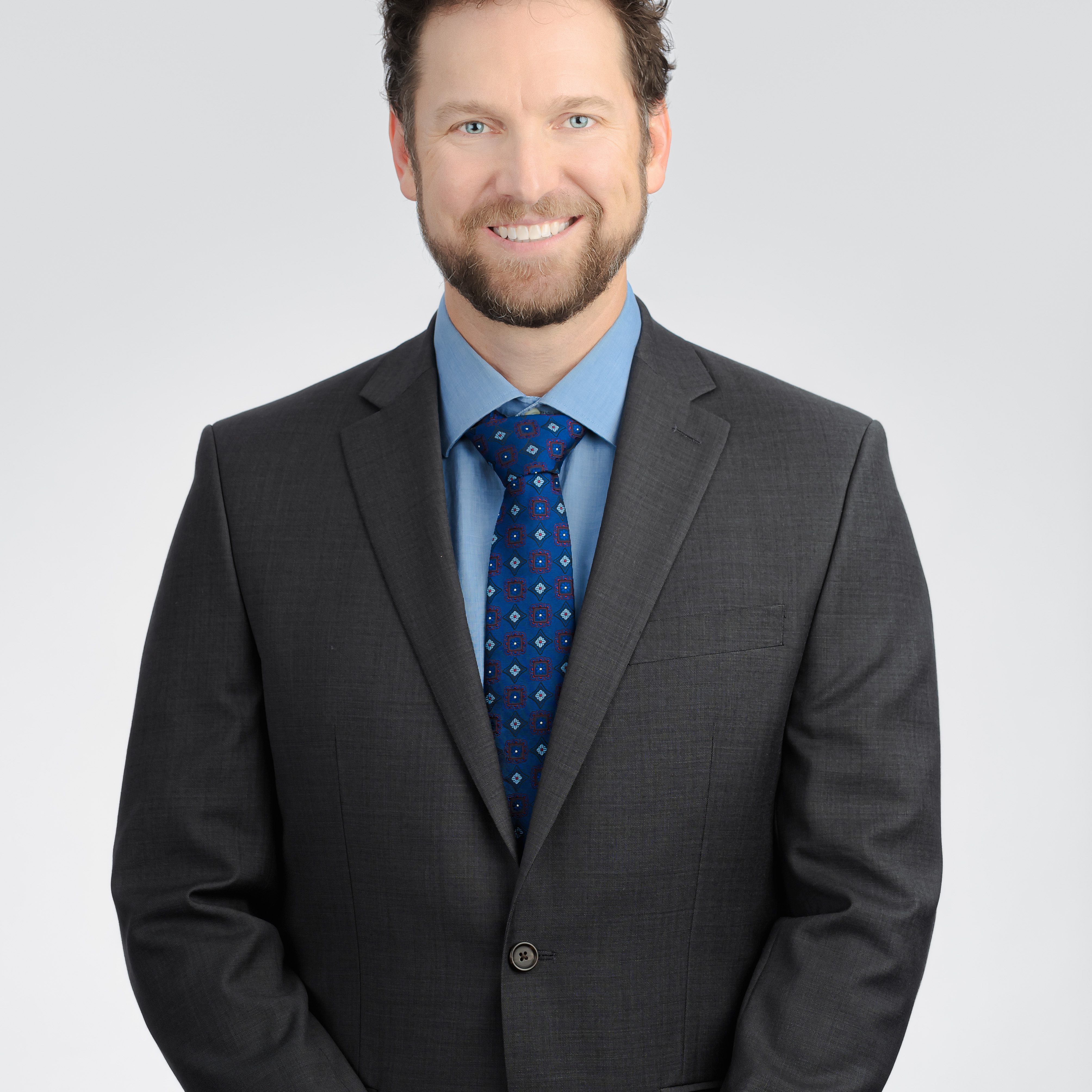
Paul Monié, MD, FAAFP, MPH
Why Empowered Health.
Time between patient and physician is dictated increasingly by the health system and insurance reimbursement. At Empowered Health, we take a membership approach to primary care in Tri-Cities that challenges the standard healthcare model.

Five Most Important Areas of Men's Health
Subscribe to our series, "Optimizing Men's Health" for information on the top five areas men need to pay attention to TODAY to promote and improve their longevity.