
Prevention With Intention: Stress, Alcohol, and What Health Really Means

Understanding Stress and Cortisol
Alcohol and Metabolic Health

Alcohol influences several key metabolic and physiologic systems in the body. In the liver, alcohol is prioritized for metabolism over other nutrients, which can temporarily shift the body toward fat storage and impair normal lipid processing. This can lead to elevations in triglycerides and contribute to fatty liver changes over time. Alcohol also disrupts normal sleep architecture by fragmenting REM sleep and reducing restorative deep sleep, which can impair recovery, hormone regulation, and next-day cognitive function.
In addition to its effects on sleep and metabolism, alcohol can influence blood sugar regulation and insulin sensitivity. Even moderate intake may increase oxidative stress and stimulate inflammatory pathways, sometimes reflected in higher markers such as C-reactive protein (CRP). These metabolic and inflammatory changes may contribute to long-term cardiovascular risk, particularly when alcohol consumption occurs alongside other risk factors such as poor sleep, excess caloric intake, or metabolic syndrome.
Alcohol metabolism and tolerance vary widely between individuals based on genetics, liver function, body composition, and overall metabolic health. For some people, even modest alcohol intake may worsen acid reflux, elevate triglycerides, disrupt glucose control, or contribute to weight gain. Alcohol has also been associated with increased risk of several cancers, including breast, liver, esophageal, and colorectal cancers, likely through mechanisms involving acetaldehyde exposure, oxidative stress, and hormone signaling.
For these reasons, the health effects of alcohol are highly individualized. Some people tolerate small amounts with minimal metabolic disruption, while others experience measurable changes in sleep quality, inflammation, or metabolic markers. Paying attention to how alcohol affects sleep, energy, digestion, and laboratory markers can help guide more personalized decisions about intake.
Redefining Health on World Health Day
Local Resources for Movement and Nutrition
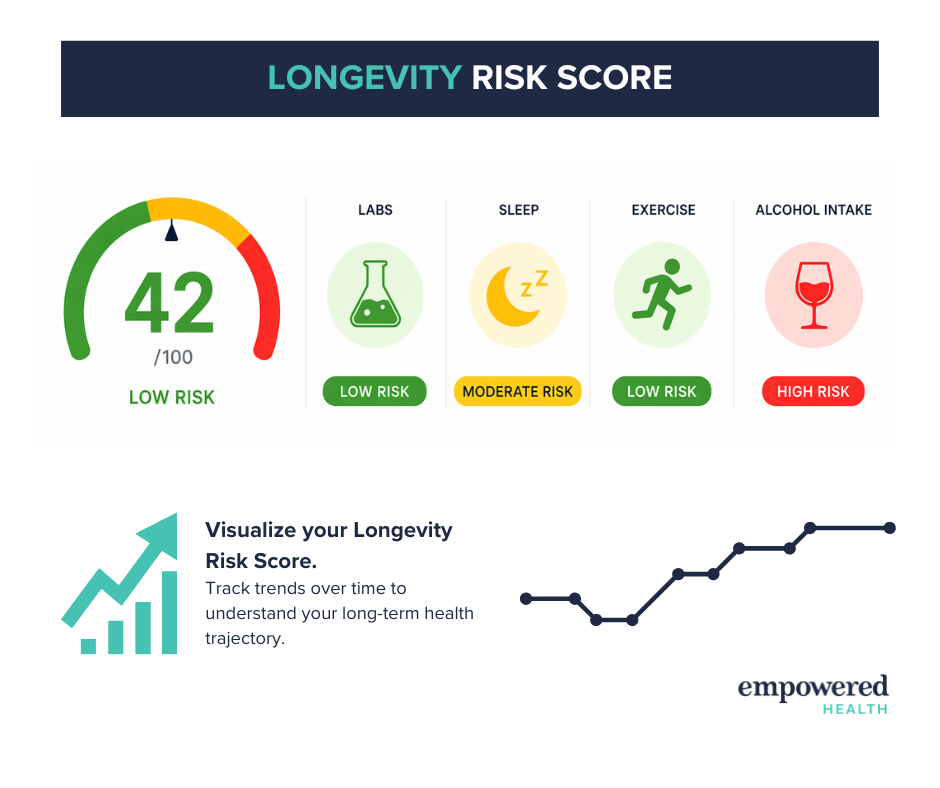
Self-Assessment Quiz: Sleep, Alcohol, and Exercise
-
Less than 6 hours
-
6–7 hours
-
More than 7 hours
-
More than 4 nights
-
2–4 nights
-
Less than 2 nights or none
-
Less than 2 times
-
2–3 times
-
4+ times
Mostly 2s: Moderate risk - trends are concerning but modifiable.
Mostly 3s: Low risk - your lifestyle supports long-term health.
The Purpose of Awareness

Jessica Schneider, MD
Why Empowered Health.
Time between patient and physician is dictated increasingly by the health system and insurance reimbursement. At Empowered Health, we take a membership approach to primary care in Tri-Cities that challenges the standard healthcare model.

Five Most Important Areas of Men's Health
Subscribe to our series, "Optimizing Men's Health" for information on the top five areas men need to pay attention to TODAY to promote and improve their longevity.